Concrete Removal
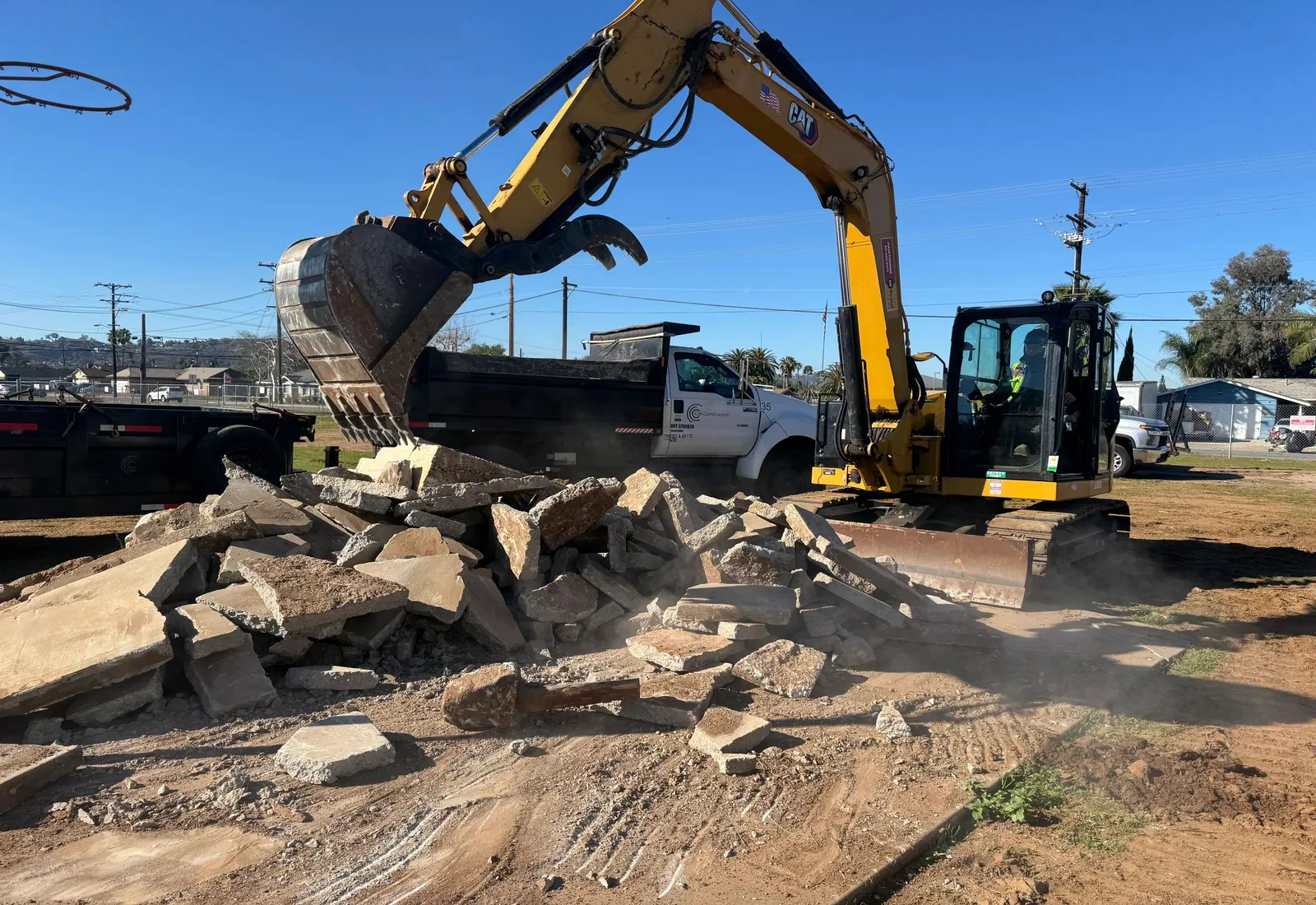
We break out concrete slabs, foundations, footings, driveways and patios with excavators. The broken concrete is hauled away and the ground is left graded flat.
Learn More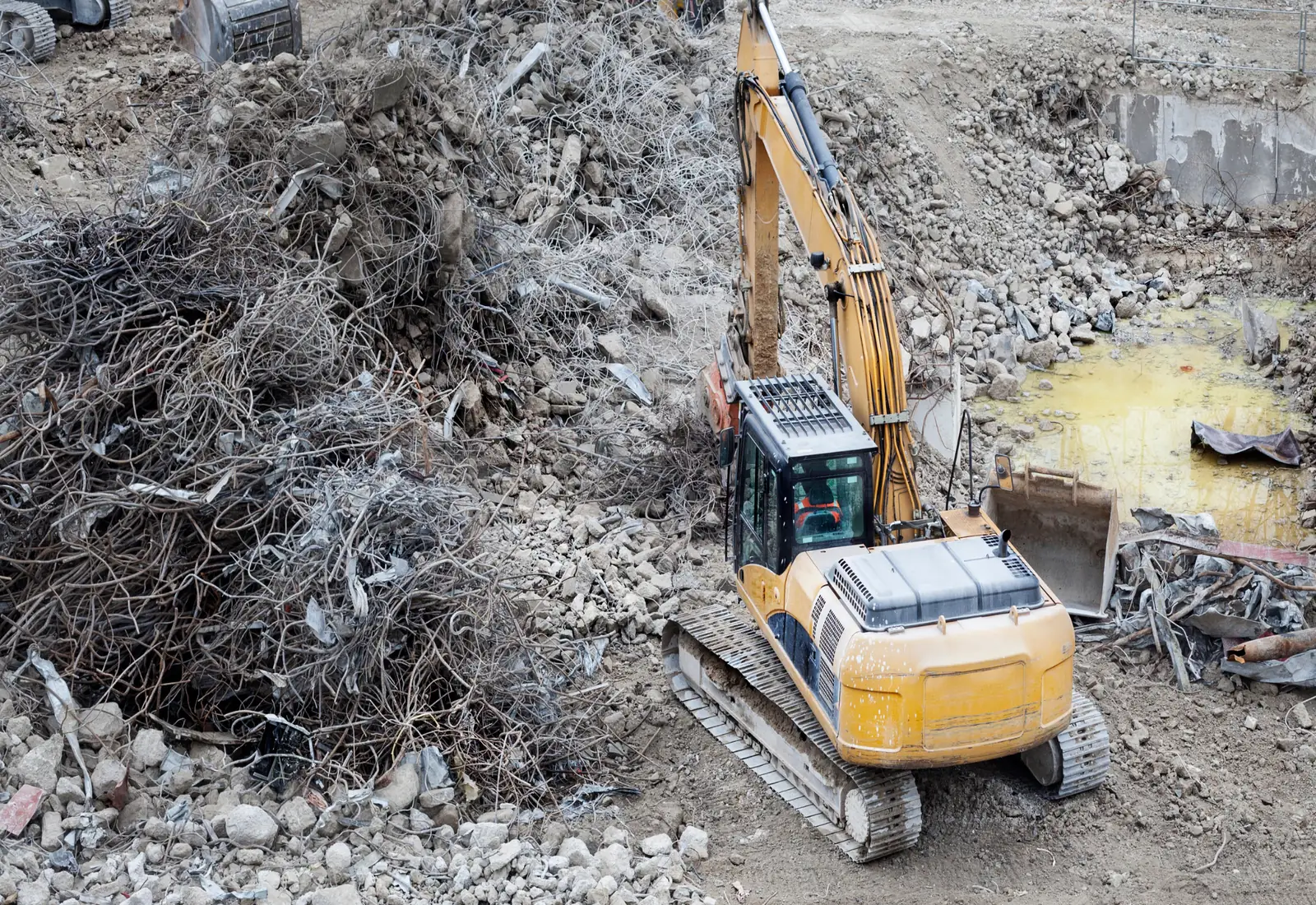
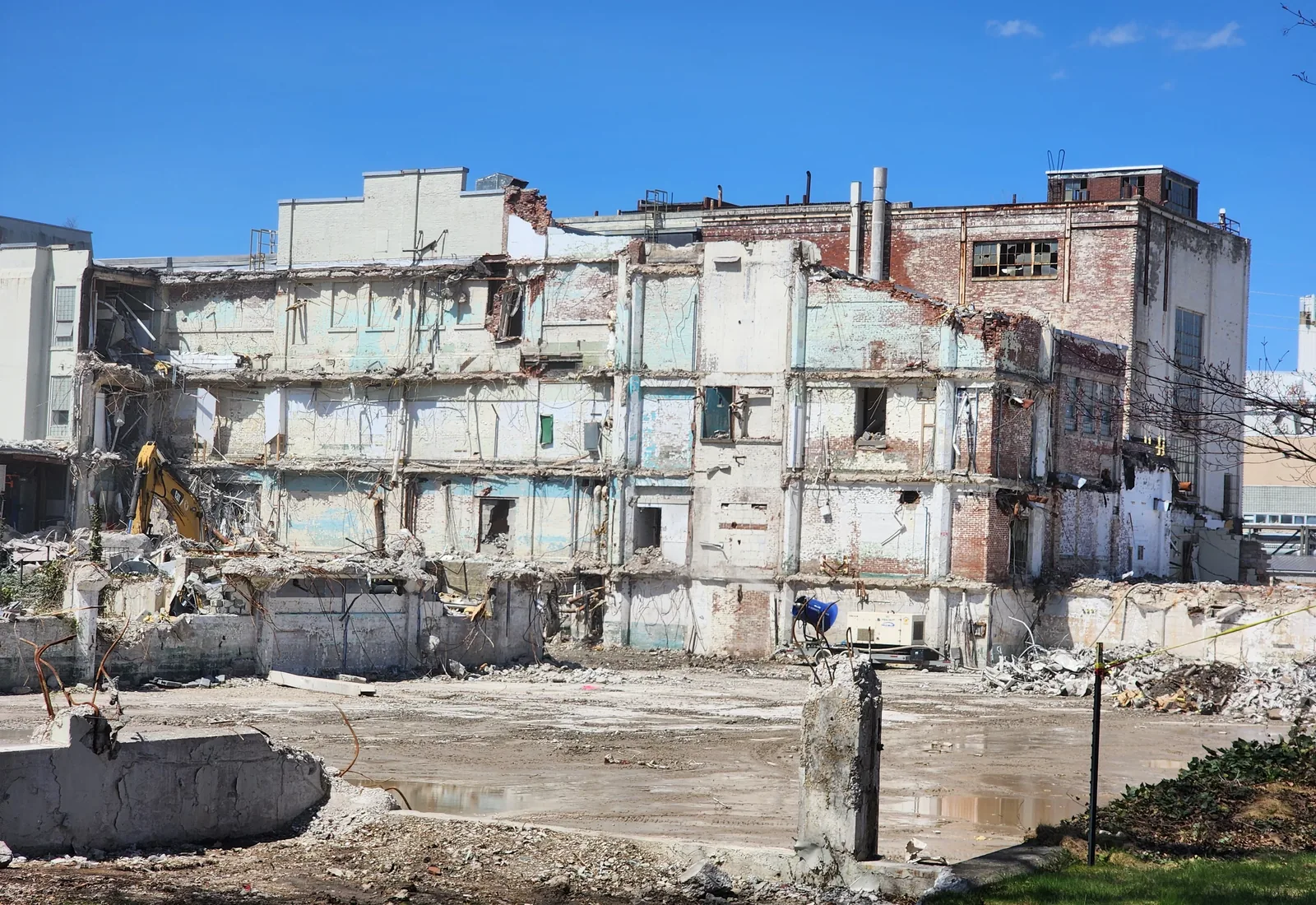
All Star Wrecking is a commercial demolition contractor based in Monroe, Connecticut. We take down commercial buildings and structures with excavators, and the debris is sorted and hauled away. Selective and interior demolition ahead of a renovation is part of the work as well. Our background is general construction, including commercial buildings and water main work for cities and towns.
A commercial building demolition runs on somebody else's calendar. An owner has a date set for the next trade, or a builder needs the lot open. We set the work around that date and around what the town needs first. When the building is down, the slab and footings under it are concrete removal.
Tell us about the job. We will get right back to you.
The demolition permit comes from the building official in the town where the building sits. Connecticut has no county government, so the permit is always a town matter. What each building department wants on top of the state list varies. We tell you what your town will ask for and line the job up around it.
The utilities that serve the building have to cut their service and say so in writing. That comes from the State Demolition Code, and the town wants it before the permit. The owners of the properties next door get notice by certified mail before any demolition starts. Some towns also hold the permit for a waiting period, and state law allows up to 180 days.
Connecticut requires commercial, industrial, institutional and public buildings to be inspected first. A licensed asbestos consultant does that survey before a renovation or a demolition starts. If the survey finds asbestos, a licensed asbestos contractor takes it out before we demolish. The state also wants a demolition notification at least ten days before the start date.
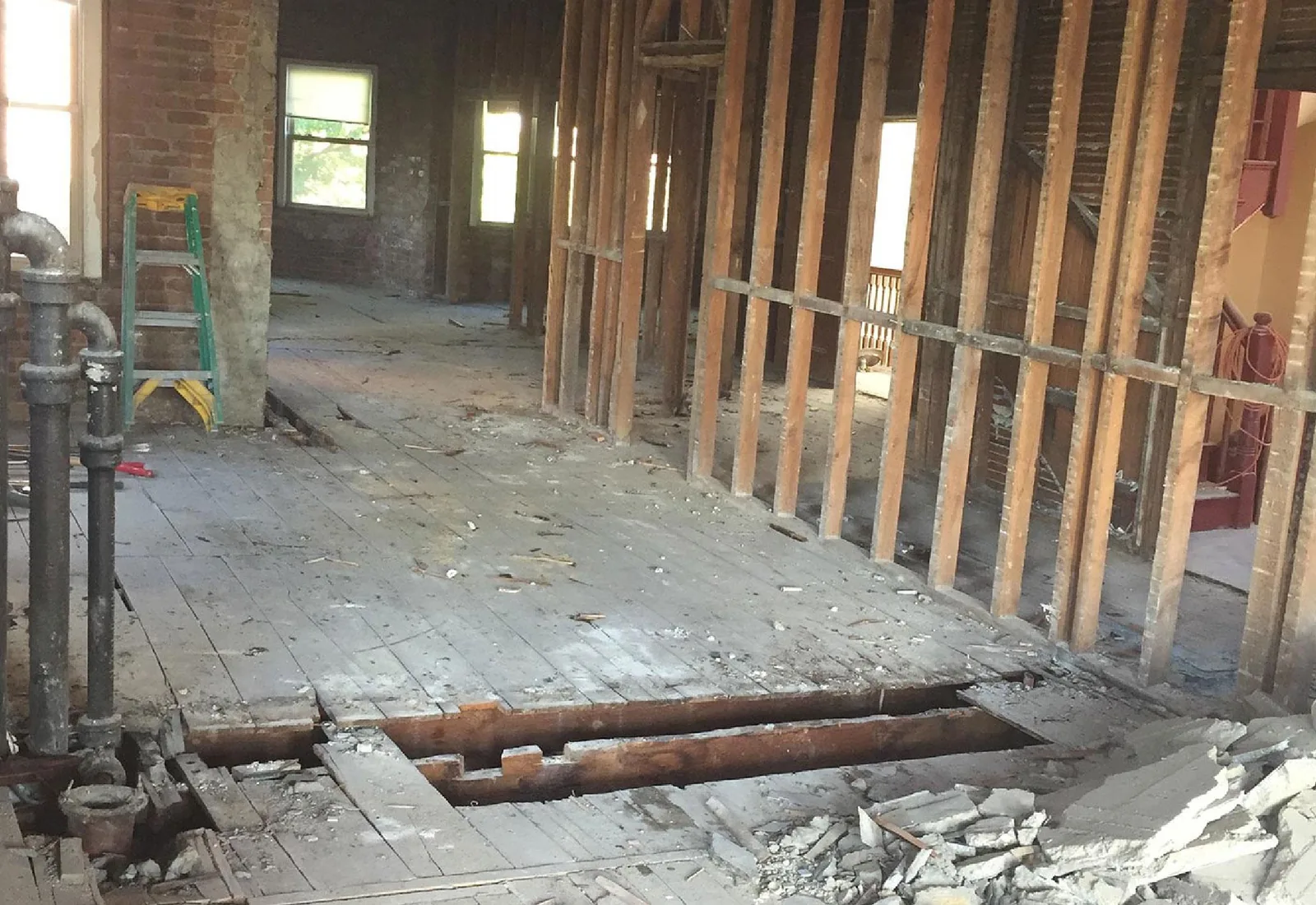
Sometimes only part of a building comes out. Selective demolition removes that part and leaves the rest standing. Interior demolition strips a space back to the structure before a renovation or a new tenant.
Work inside a building that stays up runs in a set order. What holds the building up stays until the plans say otherwise. A licensed electrician cuts the power in the space before anything comes out. Anything that has to be saved gets marked before the first wall goes.
Commercial work usually answers to an owner or a general contractor, so the date matters. A building on a street also gets a site barrier under the State Demolition Code. The code sets that fence at eight feet or more, and the building official can change it. Dust gets wet down with water as the building comes apart.
The debris gets sorted as the building comes apart. Connecticut counts concrete, asphalt, steel and wood as the materials worth recovering from a demolition. Broken concrete, brick and asphalt count as clean fill under the state rules. A recycler can often take them.
Trucking works two ways on commercial jobs. Some owners and builders already have a hauler or a container on the site. Who moves the debris is written into the estimate before the work starts.
When the building is gone the ground has to be left safe. The State Demolition Code says an open cellar hole gets filled to grade and the extra material hauled off. If a new building is going up, the building official can waive that. The hole is then left open for the excavation and the rest of the site work.
Free estimates and site visits across Monroe and the rest of Fairfield County.
(412) 944-9931From the first call to a flat, finished lot, here is how it goes.
Call (412) 944-9931 and tell us what has to come down or get dug out. We ask what is on the lot and how you want it left.
We come out and go over the job with you: the building, the access, where the debris goes. Slope, ledge and wet ground all change how a job gets done.
You get the work, the hauling and the finished grade spelled out in writing. Nothing gets scheduled until you say go.
The demolition permit comes from the town building official, and the town wants the utility disconnects confirmed first. We tell you what your town will ask for and line the job up around it. Call Before You Dig marks the public lines before any digging starts.
The debris is hauled away, the cellar hole is filled to grade and the ground is left flat. We go over the finished site with you before we pull off the job.
Common questions about commercial demolition across Monroe and the rest of Fairfield County. If yours is not here, call and ask.
We break out concrete slabs, foundations, footings, driveways and patios with excavators. The broken concrete is hauled away and the ground is left graded flat.
Learn More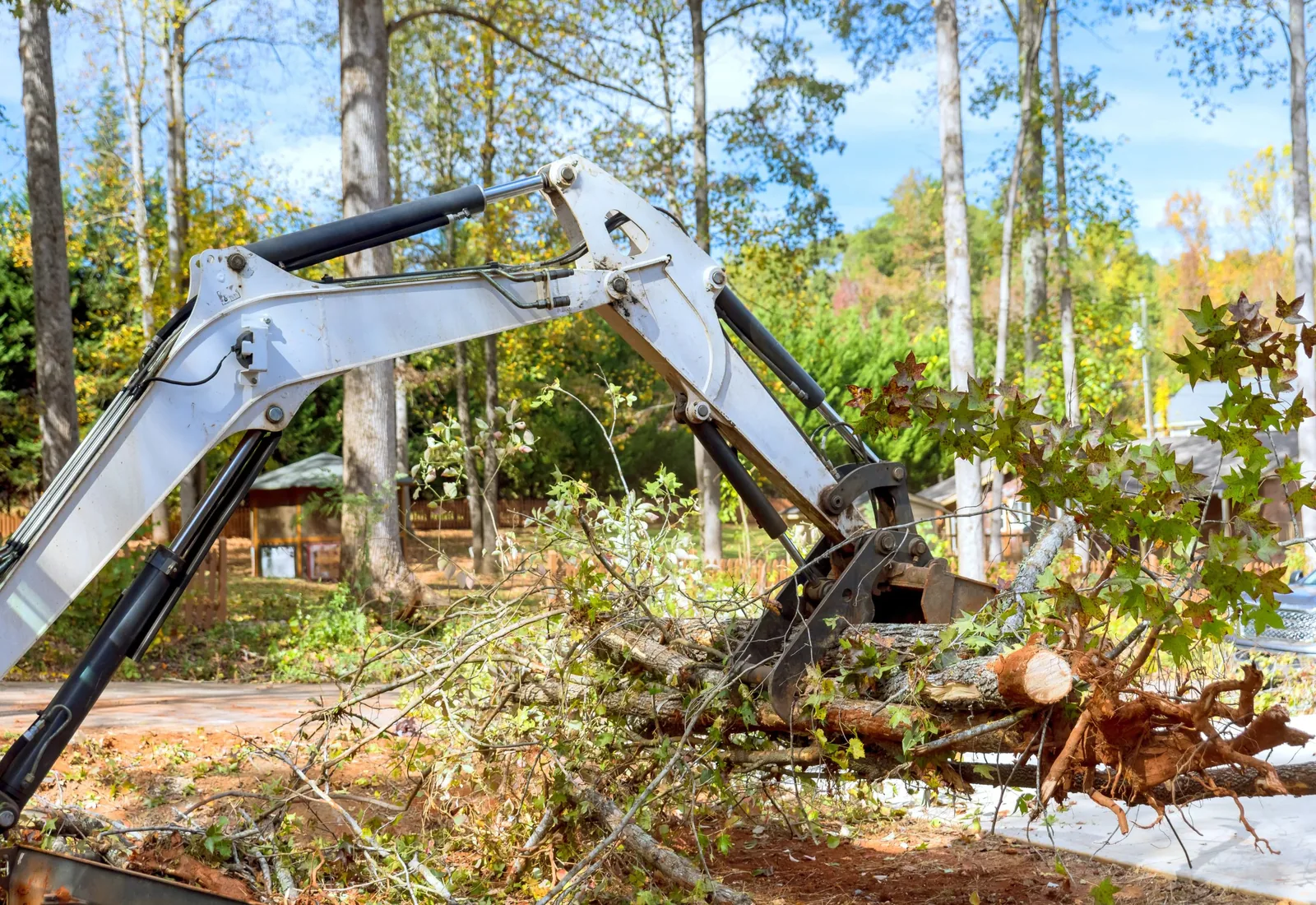
We do the site work for a new home in Monroe and across Fairfield County. The lot gets cleared, the driveway cut in, the foundation dug and the yard graded.
Learn More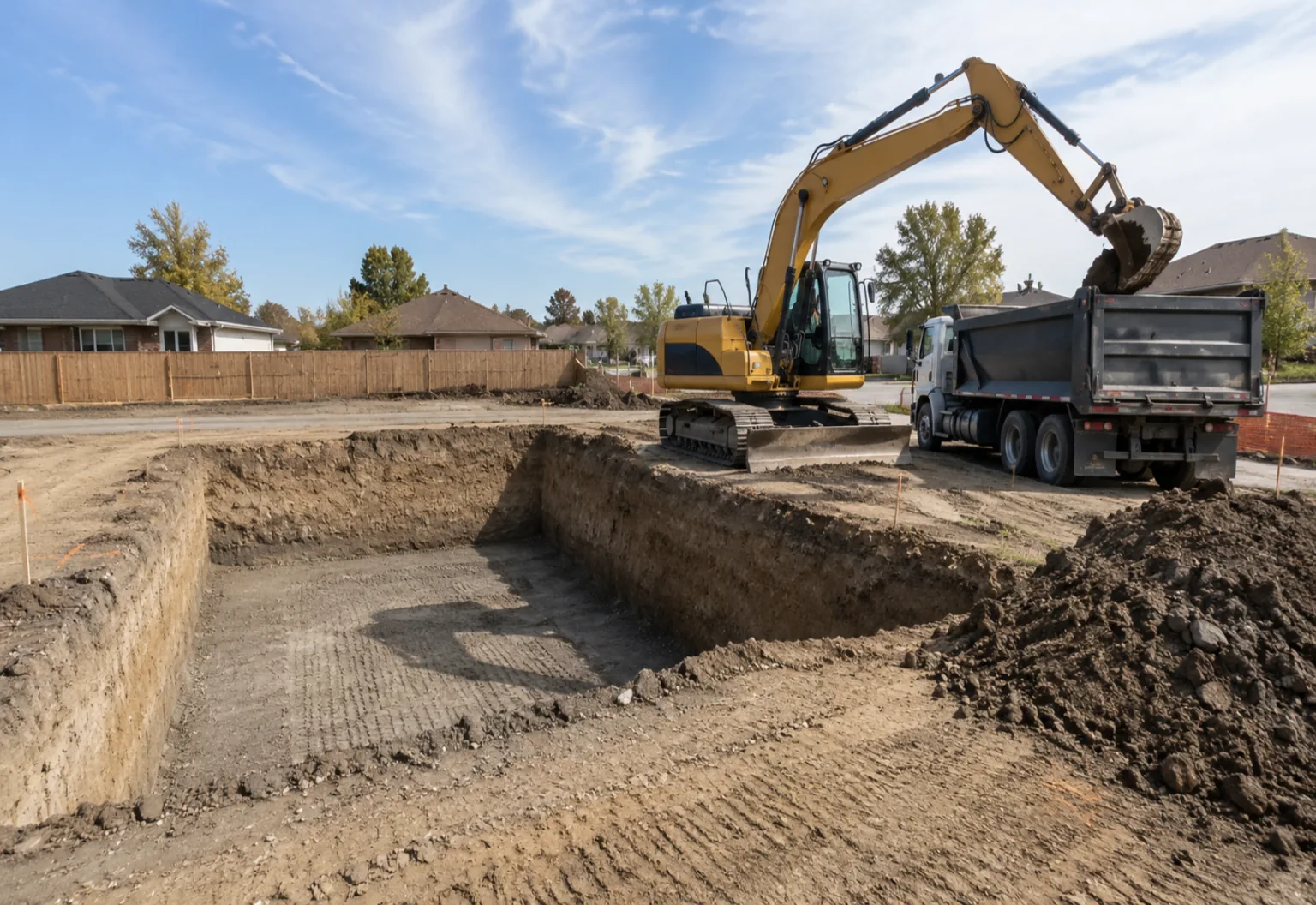
All Star Wrecking digs and backfills foundation holes for new houses and additions, cuts trenches and digs ponds. We are based in Monroe and dig across Fairfield County.
Learn MoreThe base is Monroe. We work across Fairfield County and the towns just over the New Haven County line.
The company came out of general construction, from commercial buildings to water main work for cities and towns. Knowing how a building went up shapes how it comes down.
The teardown, the digging, the clearing and the final grade all come from the same company. One number to call while the lot is being worked.
We come look at the site, then put the work and the price in writing. Call (412) 944-9931 to set one up.
Tell us what has to come down, get dug or get cleared, and how you want the lot left. Call (412) 944-9931 or send the form and we will set up a look at the site.
Tell us about the job. We will get right back to you.